
Last updated August 25, 2026
Free on-site gate assessment - hinges, posts, and your LiftMaster or Nice gate operator checked before anything is quoted
The assessment is free and the quote is the invoice.
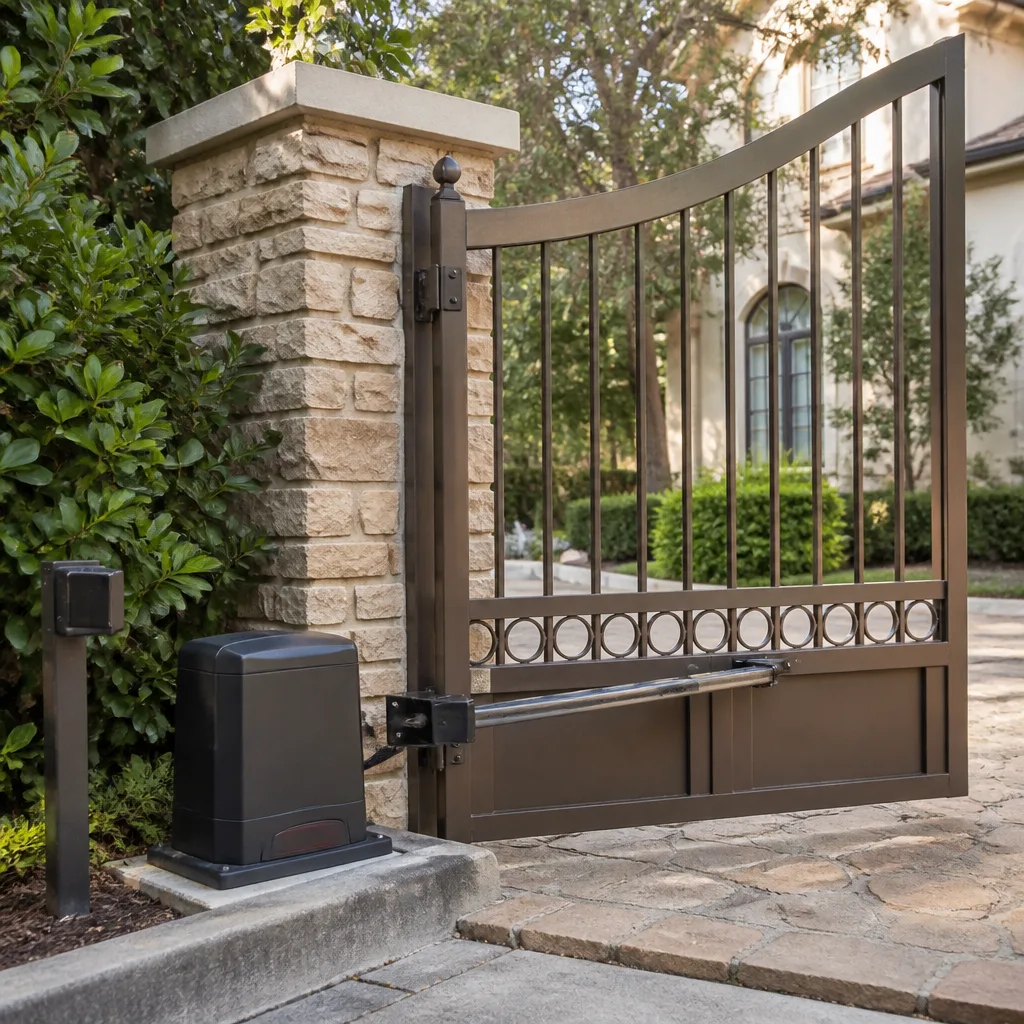
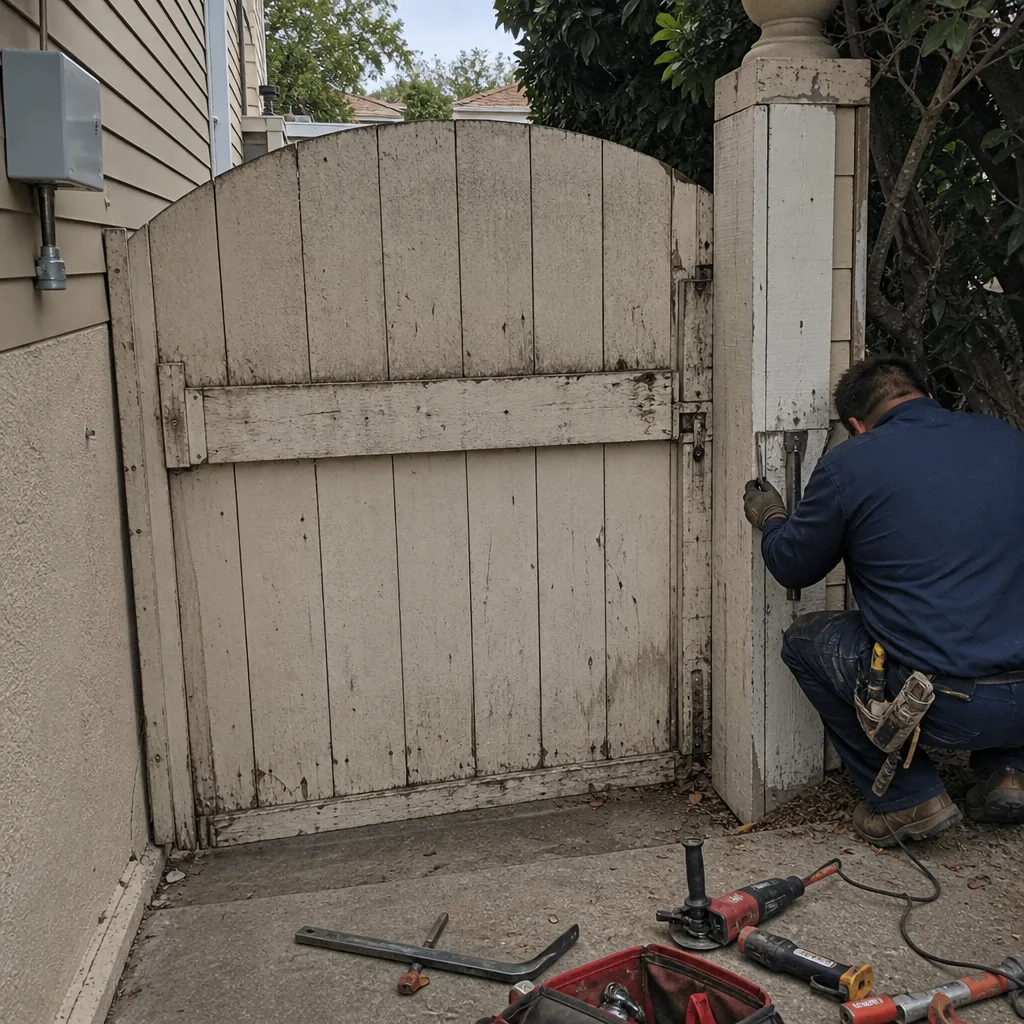 Before
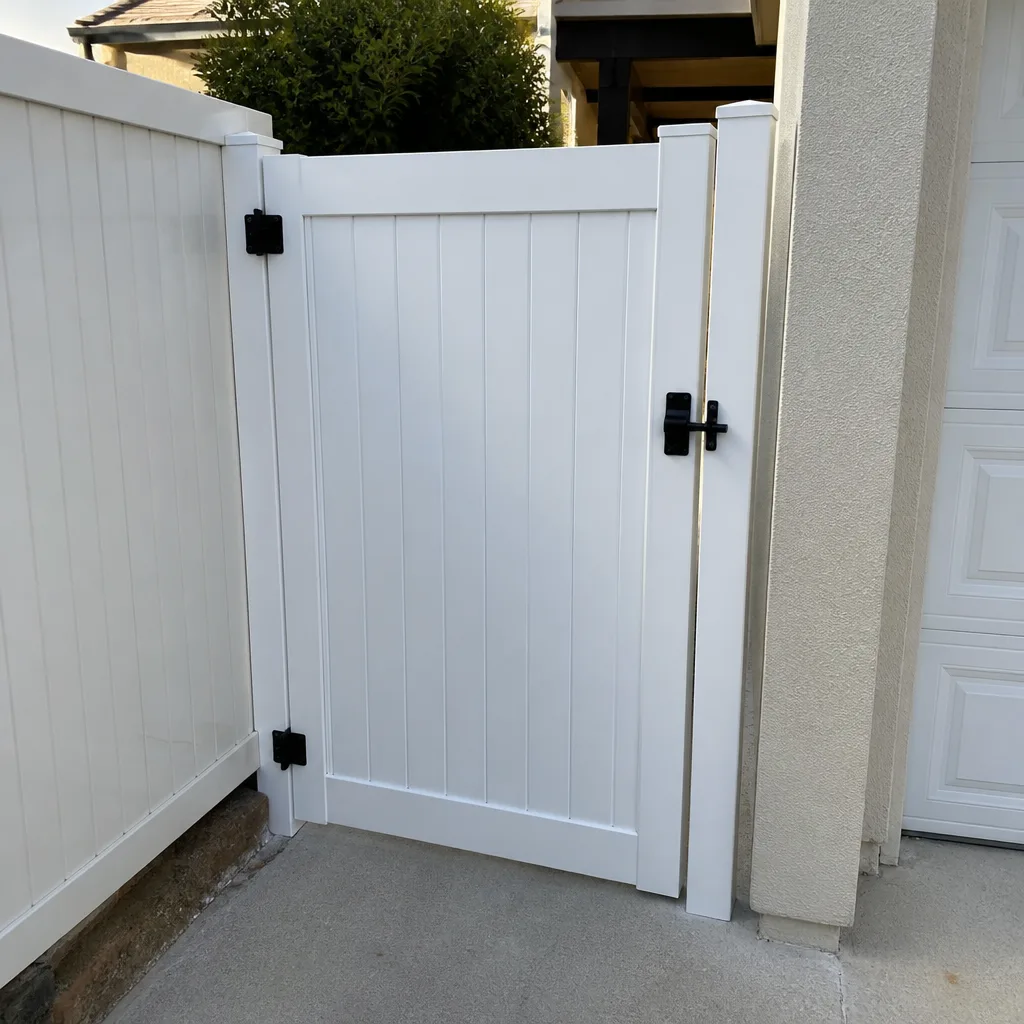 After
After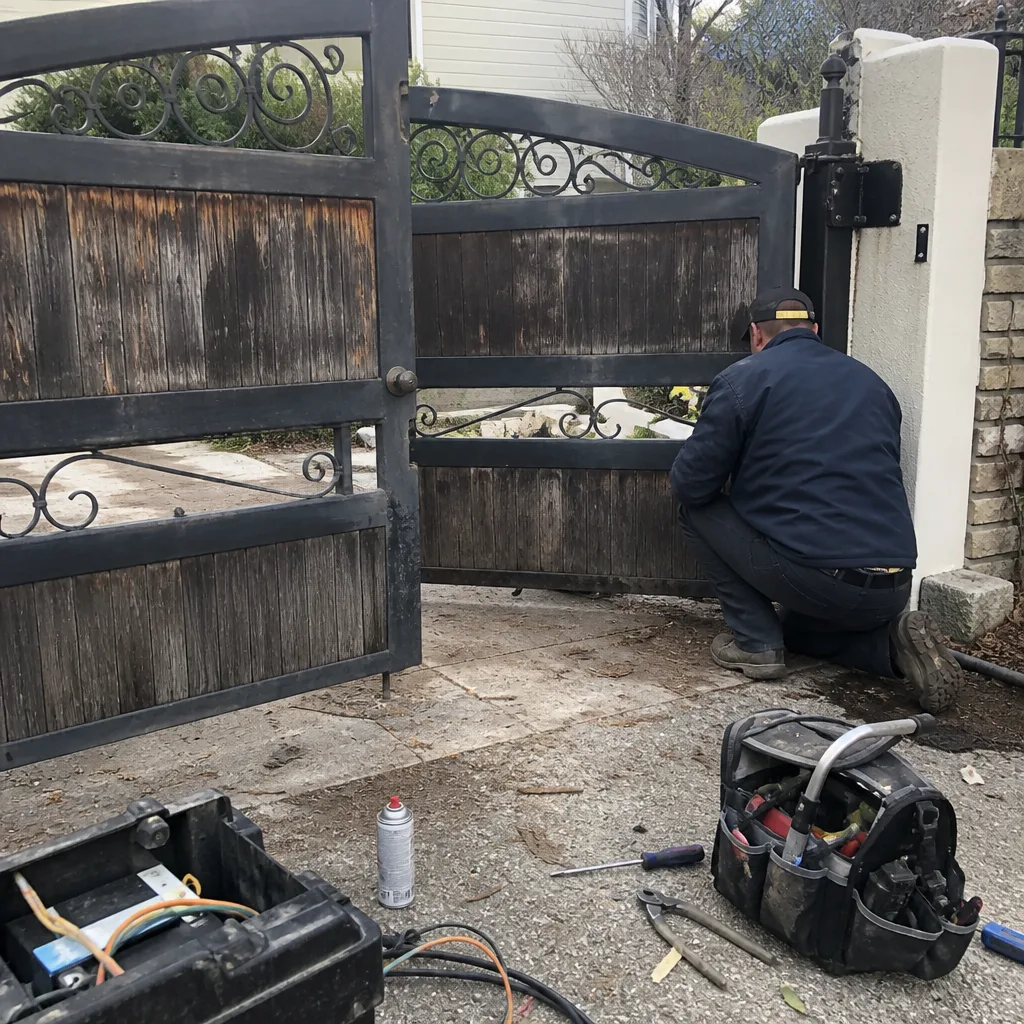 Before
 After
After Before
 After
AfterGate Repair Permits, Codes & Inspections in CA: What You Need to Know
Here’s a number most Newport Beach homeowners never hear until it’s too late: a gate installed without the right permit can cost more to unwind than the gate itself. We’ve seen unpermitted gate posts flagged during a home sale, tearing a six-figure escrow apart over a $400 permit. This guide walks through the actual rules in California and Newport Beach: when a permit is required, what the inspectors check, which codes govern gate operators, and what happens when a gate was built without paperwork. Think of it as the conversation we have with neighbors in Corona del Mar, Lido Isle, and Newport Coast before a single weld is made.
Quick Answer
Most driveway gate repairs in Newport Beach do not require a permit, but any new gate installation, structural modification to posts or footings, or replacement of a gate operator with a different type of motor generally does. California gate codes center on UL 325 safety standards for automatic operators and local building codes for wind load, setback, and height. The safest path is to call Newport Beach Building Department at (760) 852-5601 and describe the scope before work begins.
Table of Contents
- When a Gate Permit Is Required in California
- Newport Beach Gate Permit Requirements
- UL 325: The Gate Safety Standard That Governs All Operators
- Entrapment Protection Zones: What Inspectors Measure
- Setbacks, Height Limits, and Sightline Rules in Newport Beach
- What a Gate Inspection Actually Covers
- What to Do About an Unpermitted Gate
- Common Mistakes to Avoid
- When to Call a Professional
- Frequently Asked Questions
- The Bottom Line
When a Gate Permit Is Required in California
California building codes are adopted statewide through the California Building Standards Code, also called Title 24. But gate permitting is enforced at the city or county level, which means a gate that needs a permit in Newport Beach might not need one in an unincorporated part of Orange County. The rule of thumb: if a gate is purely decorative and under 7 feet tall, with no operator and no structural change to an existing fence, most jurisdictions treat it as exempt. The moment you add a motor, cut into a masonry wall, pour new footings, or change the swing direction of an existing gate, you have entered permit territory.
Repairs are treated differently from installations. Replacing a hinge, a wheel, a keypad, or a circuit board on a FAAC operator does not require a permit because the gate’s structure and its safety system are unchanged. But if a sagging gate has pulled its post out of plumb and the post needs to be reset in new concrete, that is structural work. Some cities call it a repair, some call it a reinstallation. Newport Beach considers post replacement on an automatic gate a permit-triggering event.
What Requires a Permit (Almost Everywhere in CA)
- New gate installations on a driveway or pedestrian entry, with or without an operator
- Replacing a gate operator when the new motor is a different type: swing vs. slide, AC vs. DC, different horsepower class
- New footings or piers for gate posts, even if the gate itself is being reused
- Electrical work to power a new operator, keypad, or loop detector where no circuit existed before
- Changes to gate height or location that affect the front setback or corner sightline
What Rarely Requires a Permit
- Replacing a failed capacitor, relay, or control board in a BFT or Linear operator
- Welding a cracked steel gate frame in place, provided the posts remain undisturbed
- Adjusting limit switches, force settings, or photo eye alignment
- Replacing a keypad, remote receiver, or safety loop detector
- Lubricating hinges, replacing a wheel, or tightening a sagging chain
The distinction matters because inspectors look for recent work when a complaint is filed or when a property changes hands. A homeowner may not remember which company did a repair ten years ago, but the building department keeps records. If a permit was never pulled for a modification that needed one, the current owner inherits that problem.
Newport Beach Gate Permit Requirements
Newport Beach operates its own building department and does not defer to Orange County for residential gate permits. The city’s Community Development Department at 100 Civic Center Drive reviews gate applications for zoning compliance, and the Building and Safety Division handles the structural and electrical review. For a typical driveway gate, expect to submit a site plan showing the gate’s location relative to the property line, a detail drawing of the footing and post connection, and manufacturer specifications for the operator if one is being installed.
Setback rules are where we see most applications stall. In Newport Beach, a driveway gate must be set back far enough from the street that a car can pull fully off the public right-of-way and wait for the gate to open. That distance ranges from roughly 18 to 24 feet in most of the city, though homes in older sections of Balboa Peninsula are often too shallow to meet that standard and need a variance. A variance adds time and requires a public hearing. We tell clients on the Peninsula to budget 10 to 12 weeks for the full approval process, while a standard over-the-counter review in Newport Coast or Harbor View can close in 3 to 4 weeks.
The city also enforces the California Fire Code requirement that automatic gates on single-family driveways have an emergency release. Fire engine access streets are mapped by the Newport Beach Fire Department, and gates on those streets face additional scrutiny: the gate must be wide enough for a truck, set back far enough to stage, and capable of manual operation within 15 seconds by a firefighter wearing gloves. Viking and BFT operators sold with keyed manual release mechanisms generally satisfy that test, but it is worth confirming with the reviewing engineer before the equipment is ordered.
UL 325: The Gate Safety Standard That Governs All Operators
Every automatic gate operator installed in California must comply with UL 325, the national safety standard for gate and door operators. This is not optional and there is no local carve-out. UL 325 defines the entrapment protection required on every gate, sets the maximum force an operator can apply before reversing, and establishes the testing labs all gate equipment must pass. The standard has been updated several times since a series of fatal accidents in the 1990s led to its adoption, and the current version is enforced through California’s adoption of the model codes.
We service nine operator brands: LiftMaster, FAAC, BFT, Linear, Viking, Ghost Controls, DoorKing, Elite, and Mighty Mule. All of them build UL 325-compliant equipment, but compliance depends on installation. A compliant operator installed without the required photo eyes or with the force dialed up to overcome a sagging gate is not compliant. Inspectors in Newport Beach check operator settings against the manufacturer’s installation manual during a gate inspection, and they will fail the inspection if the force setting is higher than the manual allows for the gate’s weight and speed class.
The Four Entrapment Zones UL 325 Defines
- Leading edge: the closing edge of a slide gate or the swing edge of a gate that swings toward the opening
- Bottom edge: the underside of a vertical lift or pivot gate that lowers onto a surface
- Hinge side: the gap between a swing gate’s hinge post and the gate frame, which closes like a pair of scissors
- Secondary pinch points: the spaces between sliding gate panels, or between a swing gate and its latch post as it travels
Each zone has a prescribed protection method. Photo eyes, contact edges, or both. A sliding gate also needs a screen mesh or guard if the gate itself creates an opening large enough for a child to pass through when in the open position, and a swing gate needs hinge guards over the scissor gap. These details are not cosmetic. They are the difference between passing an inspection and failing one.
Entrapment Protection Zones: What Inspectors Measure
When a Newport Beach inspector walks a gate site, the first thing they check is the entrapment protection, and they measure it in inches. UL 325 specifies maximum gap sizes: no gap between a sliding gate and a fixed fence may exceed 2.25 inches, and no gap at the hinge side of a swing gate may exceed 4 inches. Inspectors carry a template or tape measure and will physically test the gate’s travel at each zone. This is not a desk review.
Photo eyes must be mounted no higher than 6 inches above grade, and they must be tested by blocking the beam mid-travel. If the gate reverses within 2 seconds of the beam being interrupted, the eye is functional. If the gate hesitates or continues, the operator’s obstruction sensitivity is set too high. Contact edges, where required, must be continuous and wired into the operator’s safety input, not just mounted for appearance. We have seen failed inspections in Lido Isle where a gate had photo eyes and contact edges, but the contact edge had been painted over and no longer compressed when touched. The inspector tested it, and it failed.
One Newport Beach-specific condition worth knowing: salt air. Homes within a mile of the water on Balboa Peninsula and Lido Isle replace photo eye lenses and contact edge rubber at roughly twice the rate of inland homes. Corroded terminals inside a photo eye can cause intermittent false signals, and an intermittent safety device is a failed inspection waiting to happen. If your gate is near salt air, have the safety circuits tested once a year regardless of whether the city is coming to look at it.
Setbacks, Height Limits, and Sightline Rules in Newport Beach
Newport Beach zoning code, found in Title 20 of the municipal code, sets a 7-foot maximum height for driveway gates in most residential zones, measured from grade to the top of the gate and any attached finial or decoration. The same 7-foot rule applies to the gate posts. A taller gate triggers a height variance, which requires neighbor notification and a hearing. We tell homeowners in Castaways and Big Canyon who want a taller privacy gate to expect the process to run 8 to 12 weeks, and to prepare a specific hardship argument: crime, noise, or documented trespassing. A general desire for more privacy rarely carries a variance.
The front setback is the other common obstacle. Newport Beach requires a gate to sit behind the front property line at a distance set by the zone. In the R-1 zones that cover most of the city, that is 20 feet from the front property line, but the measurement is taken to the gate’s leading edge, not its hinge line. On a narrow lot in Newport Heights, that 20 feet can consume half the available driveway. The practical workaround most homeowners choose is a gate that sits at the maximum setback and swings inward toward the house, which preserves the required clearance without the variance. A swing gate opening inward also eliminates the risk of the gate striking a pedestrian on the public sidewalk, which is a liability and a code issue.
Sightline rules apply at the driveway intersection. Newport Beach requires a clear triangle of visibility at the point where a driveway meets the street, and a solid gate or masonry column that blocks a driver’s view of oncoming traffic violates that clear-line requirement. An inspector will not approve a gate that blocks the view of the sidewalk from a driver waiting at the opening. The solution, where a solid gate is desired, is to move the gate farther from the street or to use a gate with open pickets that allow sight through the upper section.
What a Gate Inspection Actually Covers
A final gate inspection in Newport Beach takes between 20 and 40 minutes and covers five areas: structure, operator safety, electrical, set-back and height, and access for emergency vehicles. Here is the step-by-step of what an inspector does, in order, based on the typical single-family driveway gate inspection.
- Paperwork check: The inspector matches the approved plans to the work in front of them. A gate 18 inches taller than the approved drawing fails on the spot, not because of the height itself but because the work does not match the permit.
- Post and footing verification: The inspector checks footing depth by reviewing the pre-pour inspection record or by probing, and confirms post plumb with a level. A post more than 1 degree out of plumb on a 7-foot gate is a failed inspection.
- Operator brand and model check: The installed operator must match the approved submittal. A BFT operator swapped for a different BFT model with a higher draw may pass, but a different brand with different force characteristics will not.
- Entrapment zone testing: The inspector physically tests the gate at each zone: interrupting the photo eye, pressing the contact edge, and measuring gaps with a template. Force is tested by placing a calibrated gauge between the gate edge and a fixed stop.
- Manual release demonstration: The inspector requires the gate to be operable by hand without tools. A keyed release on a Viking operator that requires a specific key to be on site is acceptable; a release that requires a reaching tool to pull is not.
- Electrical final: The electrical inspector checks the operator’s disconnect, the ground connection, and the wire gauge against the circuit amperage. Undersized wire is the single most common electrical failure we see on operator installs.
- Written approval: Pass all five areas and the inspector signs the permit card. Fail one and a correction notice is issued, with a reinspection fee and a return visit.
The reinspection fee in Newport Beach runs around $150 to $250 per visit, depending on the type of permit, and reinspections are not scheduled the same day. A failed gate inspection pushes completion back a full week. We treat every inspection prep as a final walk-through: run every test the inspector will run, before the inspector arrives.
What to Do About an Unpermitted Gate
The most common path to discovering an unpermitted gate is a real estate disclosure. Title companies and escrow officers in Newport Beach now ask for a record search when a property has an automatic gate, and an unpermitted gate operator or gate structure that turns up in that search becomes a material fact. Sellers have three options: remove the gate, file for a retroactive permit, or negotiate a credit with the buyer. Retroactive permits are possible in Newport Beach, but they are not a rubber stamp. The building department will inspect the existing work, and if the entrapment protection was never installed or the footings were never inspected, the gate may have to be partially or fully reconstructed to meet current code.
A less common but real scenario: a neighbor files a complaint. Newport Beach code enforcement responds to complaints about gate height, noise from an operator, or a gate that swings out over the sidewalk, and if the gate was permitted, enforcement closes the case. If it was not permitted, the city has the leverage to require a full permit application plus penalties. Gate permits that are pulled after the fact do not come with a discount for honesty, and the penalty schedule roughly doubles the original permit fee.
If you have an unpermitted gate in Newport Beach and are not selling, the practical move is to have it inspected by a gate professional before the city gets involved. A Functional safety review will tell you whether the gate would pass a retroactive inspection: entrapment protection present and working, post movement within tolerance, operator UL 325 compliant. If it will pass, filing for the retroactive permit names the work and closes the exposure. If it will not pass, fixing the deficiencies first is cheaper than fixing a code enforcement case. Our Ironworks Gate Co. home services territory covers all of Newport Beach, and a safety review takes about an hour.
Common Mistakes to Avoid
- Assuming all gate repair is exempt. Replacing a hinge is exempt. Replacing a post or an operator type is not. If the work changes the gate’s structure or safety system, assume a permit may be required until the building department says otherwise.
- Setting the operator’s force too high to overcome a sagging gate. This is the fastest way to fail an inspection and the leading cause of entrapment injuries. A gate that needs high force to close needs its hinges, wheels, or track repaired, not a heavier motor setting.
- Skipping the photo eyes on a slide gate because the driveway is private. UL 325 does not care about the driveway’s ownership. Every automatic slide gate needs entrapment protection at the opening, period.
- Pouring gate post footings without a pre-pour inspection. Newport Beach requires a footing inspection before concrete is placed on any permitted gate. Pouring before the inspector sees the excavation means breaking out the concrete and starting over.
- Building the gate to the property line without checking the setback. A gate that sits on the front property line in an R-1 zone fails zoning review before the structural review ever happens. Check the setback before the post locations are marked.
- Leaving an unpermitted gate undisclosed at sale. The gate will be found. A credit paid to a buyer is usually more than the cost of a retroactive permit, and the seller eats it either way.
- Using an operator meant for a different gate type. A swing operator on a slide gate, or a residential operator on a gate heavier than its duty rating, will not pass inspection and will wear out fast. Match the operator to the gate’s weight, travel, and frequency of use.
When to Call a Professional
A homeowner who is handy with a welder can handle a hinge replacement or a wheel swap. That changes the moment the work touches the gate’s safe operation or the city’s rules. If your gate is at the property line, powered by an operator, or part of a real estate transaction, the stakes are too high for guesswork. A gate that fails an inspection costs a reinspection fee and a week of delay. A gate that fails in service can cause a serious injury, and the liability lands on the property owner, not the contractor who installed it. Ironworks Gate Co. offers free estimates in Newport Beach - call (760) 852-5601 and we will walk the gate with you, check the safety devices, and tell you straight whether the work needs a permit before any money changes hands.
Frequently Asked Questions
No, repairing or replacing components inside an existing operator, such as a capacitor, control board, or limit switch, does not require a permit because the operator’s safety system and structural connection are unchanged. Swapping a like-for-like operator of the same brand and model also generally does not trigger a permit, but changing brands or switching from a swing to a slide operator does. Call (760) 852-5601 if you are not sure which category your repair falls into, and we will tell you what the city requires.
A typical residential gate permit in Newport Beach runs between $300 and $600, depending on the scope, with an additional plan check fee if engineering is required, and reinspection fees if the gate does not pass on the first visit. The exact fee is based on the valuation of the work, and the city publishes a fee schedule each July. For an exact quote on a specific gate, including the permit fee estimate, call (760) 852-5601 - estimates are free.
UL 325 is the national safety standard that governs all automatic gate operators, setting requirements for entrapment protection, force limits, and operator testing. California enforces UL 325 through its adoption of the building code, and every operator sold in the state - including the FAAC, BFT, Linear, and Viking units we service - must comply. A gate operator that does not meet UL 325 in operation, even if the equipment itself is compliant, will fail a city inspection and creates a serious safety risk on top of that.
Yes, and the review is stricter. Gates on mapped fire access streets must open wide enough for fire apparatus, include a manual release firefighters can operate within 15 seconds, and sit far enough back from the street for a truck to stage. The Newport Beach Fire Department reviews gate plans on these streets as part of the building permit process. If your street is on the fire access map, budget additional review time and have the operator’s manual release mechanism documented before the submittal.
Yes, Newport Beach processes retroactive gate permits, but the gate must meet current code at the time of the application, not the code that applied when it was built. If the original installation lacks entrapment protection, proper footings, or a UL 325 compliant operator, those items must be corrected before the permit can be finaled. A qualified inspector review first will tell you whether the existing gate can pass or what will need to change.
Annually, and more often within a mile of the coast. Salt air in Newport Beach accelerates corrosion on photo eye terminals, contact edges, and operator limit switches, and a corroded safety device can fail without showing any outward sign. A seasonal tune-up should include a photo eye trip test, contact edge compression test, force gauge check, and a manual release pull. Call (760) 852-5601 to schedule a safety test - we will give you a straight answer on what is needed and what is not.
The Bottom Line
Gate permits in California are a local rule, not a state one, and in Newport Beach the line between a repair and a permitted installation is brighter than most homeowners think. Repairs to existing equipment rarely need a permit. New installations, structural changes to posts or footings, and operator type changes almost always do. UL 325 governs every operator, entrapment protection is measured in inches, and an unpermitted gate is a liability that compounds over time. When in doubt, call the building department or call us. The wrong answer costs more than the phone call.
Written by Victor Salinas, Owner at Ironworks Gate Co., serving Newport Beach since 2013.